On and off for nearly the last decade, I’ve been a lash serum user. I personally struggle with hypothyroidism and because of this, my hair – including my eyebrows and eyelashes – is much thinner than when I was younger. Upon my diagnosis, I began looking into options to boost lash growth as my eyelashes became much shorter and sparse.

When I first began using lash serums, there weren’t many over the counter options available. One of the most popular lash serums at the time was Latisse which required a prescription. Eventually, Rodan + Fields launched their over the counter Lash Boost Serum, and upon seeing people who had phenomenal results, I emphatically entered my credit card information and secured my first tube.
Upon the first use, I woke up the next morning to an absolute horror; my eyes were very bloodshot and my eyelids were swollen and purple. Being the stubborn woman I am though, I ignored the red flags and I continued using the serum. While my lashes did end up looking incredible after several weeks of use, my eyelids remained a sickly shade of reddish-purple along my upper lash line.
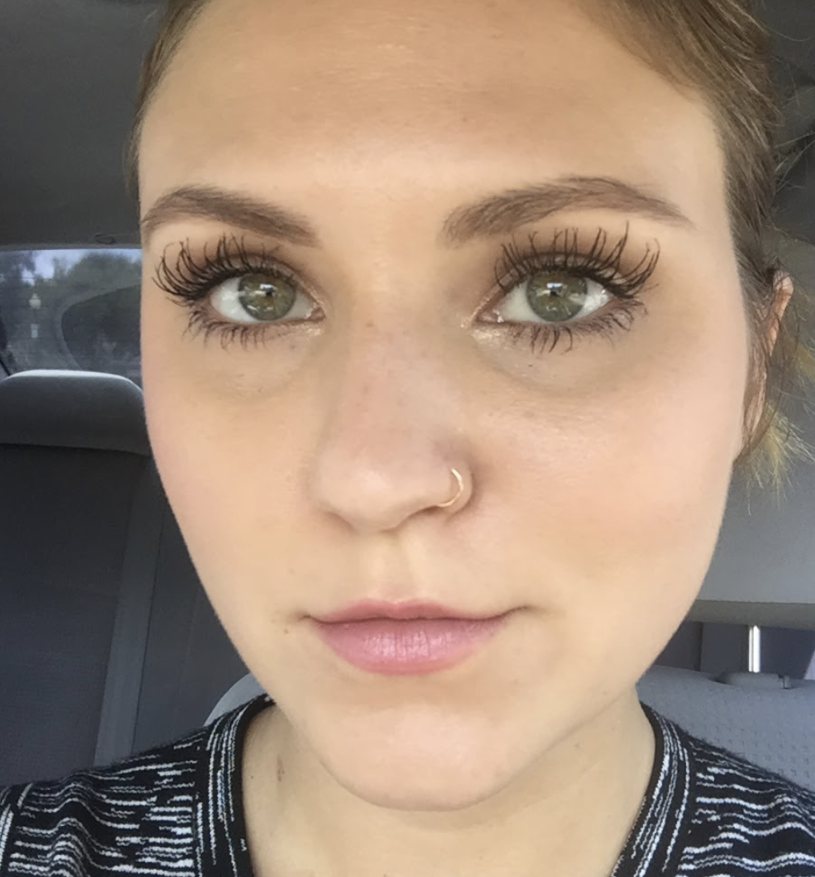
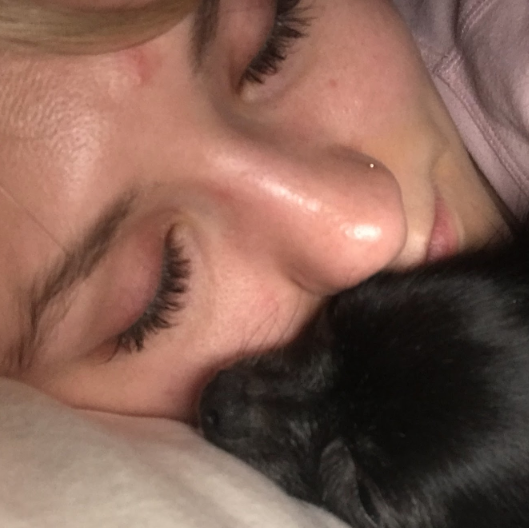
Right: Makeup-free
For the next several years, I dabbled with a wide variety of lash serums – most of which worked very well without the side effect of irritation – but almost all of them left me with the same problem; either the brush was thick (like a nail polish brush) and applied too much product, or the formula was too runny and would often feel like it was dripping into my eyes. This meant that it was critical to carefully wipe the excess off to prevent the formula from going into my eyes. Despite my cautious application, I always had the nagging suspicion that lash serums may have negative side effects I was unaware of.
Most lash serums contain the prostaglandin analog -a.k.a. synthetic hormone – isopropyl cloprostenate which is responsible for the lengthening effects most lash serums give. The lengthening abilities of prostaglandins was discovered when glaucoma patients reported lash growth as a side effect of their medicated eye drops which contained bimatoprost (a prostaglandin naturally found in the body and the active ingredient used in Latisse). A noted side effect of bimatoprost specifically is that it can change eye color, most notably light eyes turning brown. Side effects of isopropyl cloprostenate on the other hand can include eye redness and inflammation/irritation, as well as macular edema where the blood vessels in your eyes swell and can cause blurry vision. Bimatoprost is FDA approved whereas ispropyl cloprostenate is not.
Fast forward many years, and during a conversation with a family member she told me she had developed meibomian gland dysfunction after using lash serums and having lash extensions. Meibomian gland dysfunction is essentially an incurable form of dry eye, and once developed you cannot use products like retinoids and certain types of eye makeup. As a beauty creator and daily lash serum user, this news terrified me.
Because this revelation came from someone I actually know, I began looking into safer lash serum options, and more specifically ones without synthetic prostaglandins.
Eventually I came across Sweed Eyelash Growth Serum. It contains vitamins and peptides, as well as pumpkin seed oil and hydrolyzed keratin. With this lash serum, it slows down the rate that you shed lashes much like the prostaglandin containing versions, which results in longer lashes over time. Here are my lashes now with consistent use of Sweed’s lash serum!
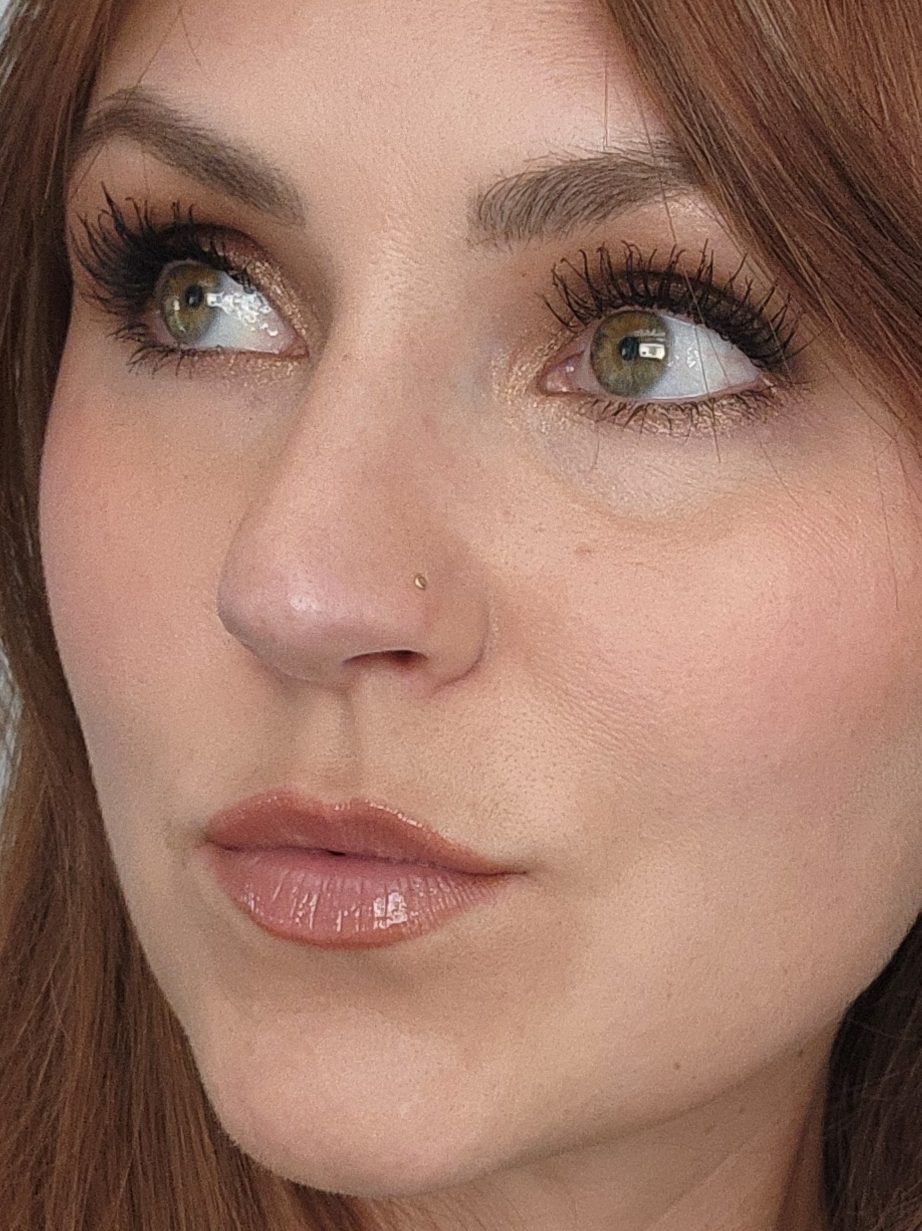
If using a lash serum is on your radar, it’s worth noting not all formulas are created equally and some can come with nasty side effects. I am really glad to have found one that gives me incredible results and peace of mind regarding my eye health!


 Boldly Lauren
Leave a comment